17 Formulas to choose from!
Regular– Herbal Cinnamon and Clove Flavor
Sensitivity– Herbal Cinnamon and Clove Flavor
Baking Soda Free– Herbal Cinnamon and Clove Flavor
Peppermint
Orange
Bubblegum
Dual Mint
Spearmint
Unflavored
Cinnamon
Wintergreen
Nano Peppermint
Nano Bubblegum
Nano Unflavored
Nano Strawberry
🦷 Simply Sooney: Trusted by Thousands for Radiant Oral Health
With over 5,000 glowing reviews across all platforms, Simply Sooney has earned its reputation as the go-to choice for natural, effective oral care. Our small-batch tooth powders are crafted with precision and care, ensuring every jar delivers the highest quality.
💬 What Customers Love:
- 🌿 Heals inflamed gums & reduces bleeding
- ✨ Whitens teeth & removes surface stains
- 😮 Eliminates bad breath & fights gingivitis
- 🛡️ Strengthens enamel & supports cavity healing
- 😌 Soothes dental and gum pain
Brushing is a daily ritual, and what you use matters. That’s why our formulas are free from harmful chemicals and packed with nutrient-rich, plant-based ingredients.
🪥 How to Use Simply Sooney Tooth Powder
- Wet your toothbrush with a small amount of water.
- Dip the bristles into the tooth powder for a light coating.
- Brush thoroughly for 2–3 minutes. Rinse optional.
🧼 For Shared Use: Keep It Clean
To avoid cross-contamination when multiple people use the product:
- Use a separate jar for each person, or
- Scoop out a pea-sized amount into your hand using the provided scoop, then dip your brush.
INGREDIENTS-
Third-Party Tested for Trusted Quality
Independently tested to verify purity and safety—so you can count on consistent quality and feel confident in your family’s daily oral care.
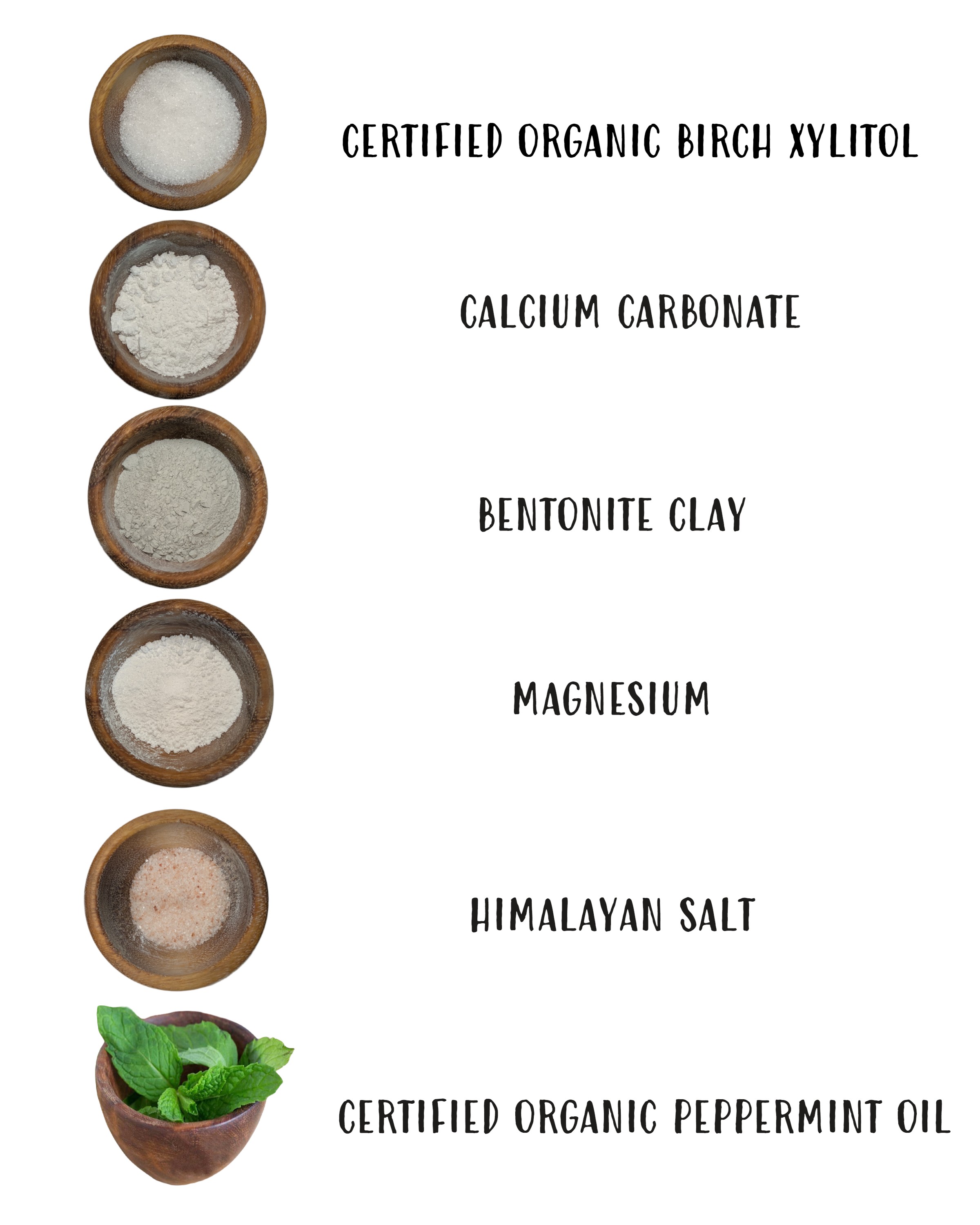
Certified Organic Birch Xylitol (45% of the formula)
🍬 Xylitol: The Sweetener That Strengthens Your Smile
Xylitol, a natural sweetener derived from plant fibers, does more than add pleasant taste—it actively supports oral health in ways sugar simply can’t.
🦠 Stops Acid Attacks & Fights Bacteria
Unlike sugar, xylitol doesn’t ferment in the mouth. Instead, it helps maintain a neutral pH, preventing harmful bacteria from sticking to teeth and forming plaque. Acid attacks—typically lasting over 30 minutes after eating—are cut short by xylitol’s ability to stabilize oral pH and reduce acid-producing bacteria by up to 90%.
💧 Stimulates Saliva for Enamel Repair
Xylitol also boosts saliva production, which is key to:
- Neutralizing acids
- Washing away food particles
- Delivering minerals like calcium and phosphate to remineralize enamel
Research shows that xylitol-stimulated saliva is more alkaline than saliva triggered by other sugars. This shift increases basic amino acids and ammonia in the mouth, raising plaque pH above 7—an ideal environment for natural enamel repair.
🛡️ A Daily Defense Against Decay
By reducing bacterial adhesion, balancing oral pH, and enhancing the mouth’s natural defenses, xylitol helps:
- Prevent cavities
- Reduce plaque buildup
- Strengthen and protect enamel
Food Grade Calcium Carbonate-Vegan
🦷 Strengthen & Soothe: Clinically Proven Dental Support
Formulated to reduce sensitivity and fortify dentin, this advanced product targets the microscopic porosity found in tooth enamel. Since our teeth are primarily composed of calcium-based structures, these tiny pores can leave them vulnerable to discomfort and decay.
By reinforcing the dentin layer and sealing micro-channels, this formula helps:
- 🛡️ Protect nerve endings, reducing painful sensitivity
- 🧪 Strengthen enamel by replenishing calcium and minerals
- 💧 Smooth surface porosity, creating a more resilient barrier against acids and bacteria
Clinically backed and biologically smart, it’s a science-driven solution for everyday oral wellness.
🧲Food Grade Bentonite Clay: Nature’s Detox Dynamo
Bentonite, also known as Montmorillonite, is celebrated as one of the most potent healing clays on Earth. With its fine, velvety texture, it’s odorless, non-staining, and gentle enough for even the most sensitive skin.
⚡ Electrically Charged for Deep Detox
What makes Bentonite truly extraordinary is its ability to generate an electrical charge when hydrated. This natural phenomenon activates the clay’s detoxifying powers, allowing it to bind to and absorb toxins with remarkable efficiency.
🧼 Purifies, Replenishes, and Revitalizes
- Negative charge attracts positively charged toxins like heavy metals, chemicals, and impurities
- Absorbs harmful substances while releasing beneficial minerals back into the body
- Enhances cellular oxygenation by pulling excess hydrogen, helping cells replenish with oxygen
Whether used in skincare, oral detox, or internal cleansing, Bentonite clay is a time-tested remedy that supports the body’s natural healing processes.
🧲 Magnesium: The Unsung Hero of Oral Health
🦷 Strengthens Tooth Enamel
Magnesium helps regulate calcium absorption, which is essential for building and maintaining hard, resilient enamel. Without enough magnesium, enamel can weaken, making teeth more prone to decay and sensitivity.
🪥 Supports Gum Health
Its anti-inflammatory properties help reduce gum swelling and irritation, lowering the risk of gingivitis and periodontal disease.
🧬 Maintains a Balanced Oral Microbiome
Magnesium contributes to a stable environment in the mouth, helping to prevent overgrowth of harmful bacteria that lead to plaque and bad breath.
🦴 Prevents Jaw Bone Loss
Because magnesium is crucial for bone density, it also helps preserve the integrity of the jawbone, which supports your teeth and overall oral structure.
⚡ Reduces Facial Tension & Teeth Grinding
Low magnesium levels have been linked to muscle tension, teeth grinding (bruxism), and TMJ pain, especially in people dealing with stress or poor sleep.
🧂 Himalayan Salt: Mineral-Rich Support for Oral Health
1. 🦠 Fights Bacteria & Freshens Breath
Packed with trace minerals like calcium, potassium, and magnesium, Himalayan salt helps neutralize harmful bacteria in the mouth. This reduces plaque buildup and naturally combats bad breath—no harsh chemicals needed.
2. ❄️ Soothes Inflammation & Promotes Healing
Its anti-inflammatory properties ease gum irritation, reduce swelling, and support healing after dental procedures or injuries. Many people use it to relieve:
- 🦷 Toothaches
- 😮💨 Sore throats
- 🔴 Gum tenderness
3. 🪥 Supports Gum Health & Prevents Recession
Regular use of Himalayan salt helps maintain gum integrity and may slow gum recession by reducing bacterial load and inflammation. A simple ritual with long-term benefits.
4. ⚖️ Encourages Remineralization
Some sources suggest Himalayan salt may promote enamel repair by creating a more alkaline oral environment—ideal for remineralization and acid neutralization.
5. 🧼 Detoxifies the Oral Cavity
Using Himalayan salt is believed to help draw out toxins and impurities, supporting a cleaner, more balanced oral ecosystem. Think of it as a gentle daily reset for your mouth.
Orange, Peppermint, Bubblegum, Spearmint, Cinnamon, Dual Mint formulas only
Certified Organic Essential Oils
🌿 Certified Organic Peppermint Essential Oil
A Natural Ally for a Healthier Smile 😁
1. 🛡️ Antibacterial & Antimicrobial Action
Peppermint oil is rich in menthol, a compound with powerful antibacterial properties. It helps fight oral pathogens responsible for:
- 🦷 Tooth decay
- 🪥 Gum disease
- 😮 Bad breath
Say goodbye to unwanted bacteria—and hello to a cleaner mouth.
2. 🌬️ Freshens Breath at the Source
Unlike synthetic flavors that just cover up odor, peppermint oil tackles the root cause of halitosis. It neutralizes odor-causing bacteria, leaving your breath genuinely fresh and clean. 👃✨
3. ❄️ Soothes Inflamed Gums
Its cooling effect calms gum irritation and reduces inflammation. Especially helpful for:
- 🔴 Gingivitis
- 🧊 Sensitive gums
- 🦷 Post-procedure recovery
Relief you can feel.
4. 💧 Stimulates Saliva Production
Peppermint oil gently boosts saliva flow, which:
- 🧼 Washes away food particles
- ⚖️ Neutralizes acids
- 🛠️ Supports enamel remineralization
Saliva is your mouth’s natural defense—and peppermint keeps it flowing.
5. 🧬 Enhances the Oral Microbiome
By reducing harmful bacteria without disturbing beneficial flora, peppermint oil helps maintain a balanced and resilient oral ecosystem. 🌱
🍊 Certified Organic Orange Essential Oil: Citrus-Powered Oral Wellness
1. 🦠 Antibacterial & Antifungal Properties
Orange oil contains limonene, a natural compound shown to inhibit harmful bacteria like E. coli and Staphylococcus aureus—even antibiotic-resistant strains. This makes it a gentle antimicrobial agent for oral hygiene.
2. 🌬️ Freshens Breath Naturally
Its bright, citrus aroma doesn’t just smell good—it helps neutralize odor-causing bacteria, offering a clean, fruity breath boost without synthetic additives.
3. 🧘♀️ Reduces Inflammation & Irritation
Orange oil’s anti-inflammatory effects may help soothe minor gum irritation and reduce redness. Its calming properties also make it ideal for sensitive mouths.
4. 💧 Supports Saliva Flow
The pleasant taste and mild stimulation from orange oil can encourage saliva production, which helps:
- Rinse away debris
- Buffer acids
- Protect enamel
5. 🧬 Microbiome-Friendly Cleansing
Unlike harsher antiseptics, orange oil offers a more balanced approach—reducing pathogenic microbes while being gentle on beneficial oral flora.
Certified Organic Spearmint Essential Oil
Certified Organic Cinnamon Essential Oil
Natural Bubblegum Flavor
Certified Organic Strawberry Flavor
Our Latest Addition! Nano Formulas. Available in Peppermint, Orange, Bubblegum, Strawberry.
-
 10% Nano-Hydroxyapatite: The Gold Standard in Tooth Repair
Nano-hydroxyapatite (n-HAp) is a cutting-edge ingredient that mimics the natural mineral structure of your teeth. Originally developed by NASA to protect astronauts’ teeth in zero gravity, it’s now revolutionizing everyday oral care.
 Key Benefits for Dental Health
- Enamel Remineralization
Restores lost minerals and strengthens enamel, helping reverse early signs of decay. - Reduced Sensitivity
Forms a protective layer over exposed dentin, easing discomfort from hot, cold, or acidic foods. - Cavity Prevention
By rebuilding enamel, it creates a stronger barrier against bacteria and acid erosion. - Natural Whitening
Binds to surface stains and lifts them away—without harsh bleaching agents. - Gentle Yet Effective Cleaning
Cleans teeth thoroughly without abrasive particles that can wear down enamel. - Biocompatibility
Safe, non-toxic, and derived from naturally occurring minerals—ideal for sensitive mouths and long-term use.
- Enamel Remineralization
Coming soon-Micro-Hydroxyapatite
***DOES NOT CONTAIN***
GMOS
⚖️ Fluoride: Controversies & Concerns
While fluoride has long been promoted for its cavity-fighting properties, critics argue that its risks may outweigh its benefits—particularly at higher concentrations or with prolonged exposure.
🦷 Potential Risks
- Tooth Brittleness: Some studies suggest that excessive fluoride exposure may lead to enamel that’s overly mineralized—making teeth harder but more brittle, and potentially more prone to fractures.
- Dental Fluorosis: Overexposure during tooth development can cause fluorosis, leading to discoloration, pitting, or surface irregularities.
- Gum Health: At concentrations around 1,000 ppm (common in toothpaste), fluoride may inhibit enzyme activity in gum tissue, potentially slowing natural healing and repair processes.
SORBITOL
🧪 Sorbitol: A Low-Cariogenic Sweetener with Caveats
Sorbitol is widely used in toothpaste as both a humectant (to retain moisture) and a sweetener. It’s classified as low-cariogenic, meaning it can be fermented by oral bacteria—but much more slowly than sugars like sucrose or glucose. That slower fermentation rate reduces acid production, but doesn’t eliminate it entirely.
🔍 Research Insights
- According to oral health experts, mutans streptococci—the bacteria most associated with cavities—can metabolize sorbitol, producing acids that lower oral pH and contribute to enamel erosion.
- A study published in the Journal of Oral Microbiology found that while sorbitol didn’t significantly increase Streptococcus mutans levels, it did alter the microbial profile of saliva and plaque, including boosting species like S. cristatus, which may have protective effects.
So while sorbitol isn’t as cariogenic as traditional sugars, prolonged or frequent exposure—especially in fluoride-free formulations—could still pose risks to enamel integrity.
⚠️ Why SLS Might Be a Problem in Toothpaste
1. Mouth Ulcers & Canker Sores
SLS has been linked to increased frequency and severity of mouth ulcers, especially in people prone to canker sores. Studies show that switching to an SLS-free toothpaste can reduce ulcer episodes by up to 70%.
2. Gum & Mucosal Irritation
It can cause mucosal desquamation—a fancy term for the shedding of the mouth’s inner lining—as well as inflammation of the gums and tongue. This is especially problematic for people with sensitive mouths or conditions like dry mouth.
3. Disruption of the Oral Microbiome
SLS doesn’t discriminate—it strips away both harmful and beneficial bacteria. This can throw off your oral microbiome balance, leading to bad breath, increased cavity risk, and even enamel erosion over time.
4. Dry Mouth
SLS may contribute to dry mouth by irritating salivary glands or reducing saliva flow. That’s a big deal, since saliva is essential for neutralizing acids and remineralizing enamel.
⚠️ Propylene Glycol: Why It’s Controversial in Toothpaste
1. Skin & Mucosal Irritation
Propylene glycol is a synthetic humectant used to keep toothpaste moist and smooth. However, it can irritate the soft tissues of the mouth, especially in people with sensitivities. Some users report:
- Burning sensations
- Mouth ulcers
- Dryness or peeling of the inner cheeks and gums
2. Allergic Reactions
Though rare, propylene glycol can trigger allergic responses like rashes or swelling. Holistic dentists often advise against it for this reason.
3. Microbiome Disruption
Like SLS, propylene glycol may disrupt the oral microbiome by altering the balance of beneficial bacteria. This can lead to:
- Increased bad breath
- Higher cavity risk
- Reduced resilience of gum tissue
4. Toxicity Concerns
While generally recognized as safe in small amounts, propylene glycol is also used in antifreeze—raising concerns about its long-term safety. Some sources suggest that chronic exposure, even in low doses, may have cumulative effect.
⚠️ DEA: Risks Behind the Foam
1. Carcinogenic Potential
DEA itself isn’t classified as a carcinogen, but it can react with other ingredients (especially nitrites) to form nitrosamines, which are known carcinogens. These compounds have been linked to liver and kidney tumors in animal studies.
2. Hormone Disruption
DEA may interfere with the body’s endocrine system, potentially affecting hormone production and regulation. This is especially concerning for children, whose developing systems are more vulnerable to chemical exposure.
3. Skin & Mucosal Irritation
It can cause irritation to the soft tissues of the mouth, including:
- Burning sensations
- Dryness or peeling
- Increased sensitivity in gums and cheeks
4. Environmental Impact
DEA is not easily biodegradable and can contribute to water pollution, affecting aquatic ecosystems when rinsed down the drain.
🌿 Stevia: Mostly Tooth-Friendly, But Not Perfect
✅ The Good News
- Non-cariogenic: Stevia doesn’t feed cavity-causing bacteria like sugar does. It’s not fermentable, so it doesn’t produce acid that erodes enamel.
- Anti-inflammatory: Some studies suggest stevia may help reduce inflammation in the mouth.
- Plaque reduction: It’s been shown to help reduce plaque formation, making it a smart choice for oral care.
⚠️ Potential Concerns
- Aftertaste sensitivity: Some users report a lingering bitter or metallic aftertaste, which can affect product experience—especially in mint-forward formulations.
- Formulation purity: Not all stevia is created equal. Some commercial stevia products contain fillers or are blended with other sweeteners (like maltodextrin or dextrose), which can be cariogenic.
- Limited long-term data: While stevia is FDA-approved and widely used, long-term studies on its effects in oral care formulations are still relatively sparse
PEG
Polyethylene glycols (PEGs) are synthetic compounds used in toothpaste primarily as humectants (to retain moisture) and solubilizers (to help dissolve other ingredients). While they serve a functional role, PEGs raise several concerns—especially for brands and consumers focused on clean, non-toxic oral care.
⚠️ Why PEGs Are Controversial in Toothpaste
1. Potential for Contamination
During manufacturing, PEGs can be contaminated with ethylene oxide and 1,4-dioxane—both of which are classified as probable human carcinogens. These contaminants are difficult to remove completely and may pose long-term health risks with repeated exposure.
2. Skin & Mucosal Irritation
PEGs can irritate the soft tissues of the mouth, especially in people with sensitive gums or compromised oral barriers. This may lead to:
- Dryness
- Burning sensations
- Increased susceptibility to ulcers or inflammation
3. Penetration Enhancer
PEGs can increase the permeability of the oral mucosa, potentially allowing other harmful ingredients (like triclosan or artificial preservatives) to penetrate deeper into tissues.
4. Environmental Impact
PEGs are petroleum-derived and not readily biodegradable. Their widespread use contributes to environmental pollution, especially in aquatic ecosystems.
TRICLOSAN
Triclosan was once a go-to antibacterial agent in toothpaste—especially in formulas aimed at fighting gingivitis. But over time, mounting research and regulatory scrutiny have exposed serious concerns that have led most brands to phase it out. Here’s why triclosan has fallen out of favor:
⚠️ Triclosan: Why It’s Problematic in Toothpaste
1. Hormone Disruption
Studies suggest triclosan may interfere with thyroid function and other hormonal pathways. Animal research has linked it to abnormal endocrine activity, raising concerns about long-term systemic effects.
2. Antibiotic Resistance
Triclosan’s broad-spectrum antibacterial action can contribute to antibiotic-resistant bacteria. By indiscriminately killing both good and bad microbes, it disrupts the oral microbiome and may reduce the body’s natural defenses.
3. Microbiome Imbalance
Your mouth hosts over 700 species of bacteria—many of which are beneficial. Triclosan acts like a microbial “nuke,” upsetting this delicate balance and potentially leading to:
- Bad breath
- Dry mouth
- Increased susceptibility to infection
4. Environmental Impact
Triclosan is persistent in the environment and can survive wastewater treatment. It’s been detected in rivers, lakes, and even human urine samples, raising concerns about ecotoxicity and bioaccumulation.
5. Regulatory Action & Industry Shift
- The FDA banned triclosan from hand soaps in 2016 due to lack of evidence for safety and efficacy.
- Colgate Total was one of the last major toothpastes to contain triclosan, but it has since reformulated to remove it.
 Simply Sooney
Hello! Do your toothpastes contain gluten, soy, rice or corn? I not only have celiac disease but other autoimmune issues as well and need to stay off the following. Also, I am allergic to peppermint oil, is there any toothpaste I could use that doesn’t contain peppermint? Thank you!
I ordered your kids orange. I was Inquiring about a custom order.
I’m glad you found me on Etsy!