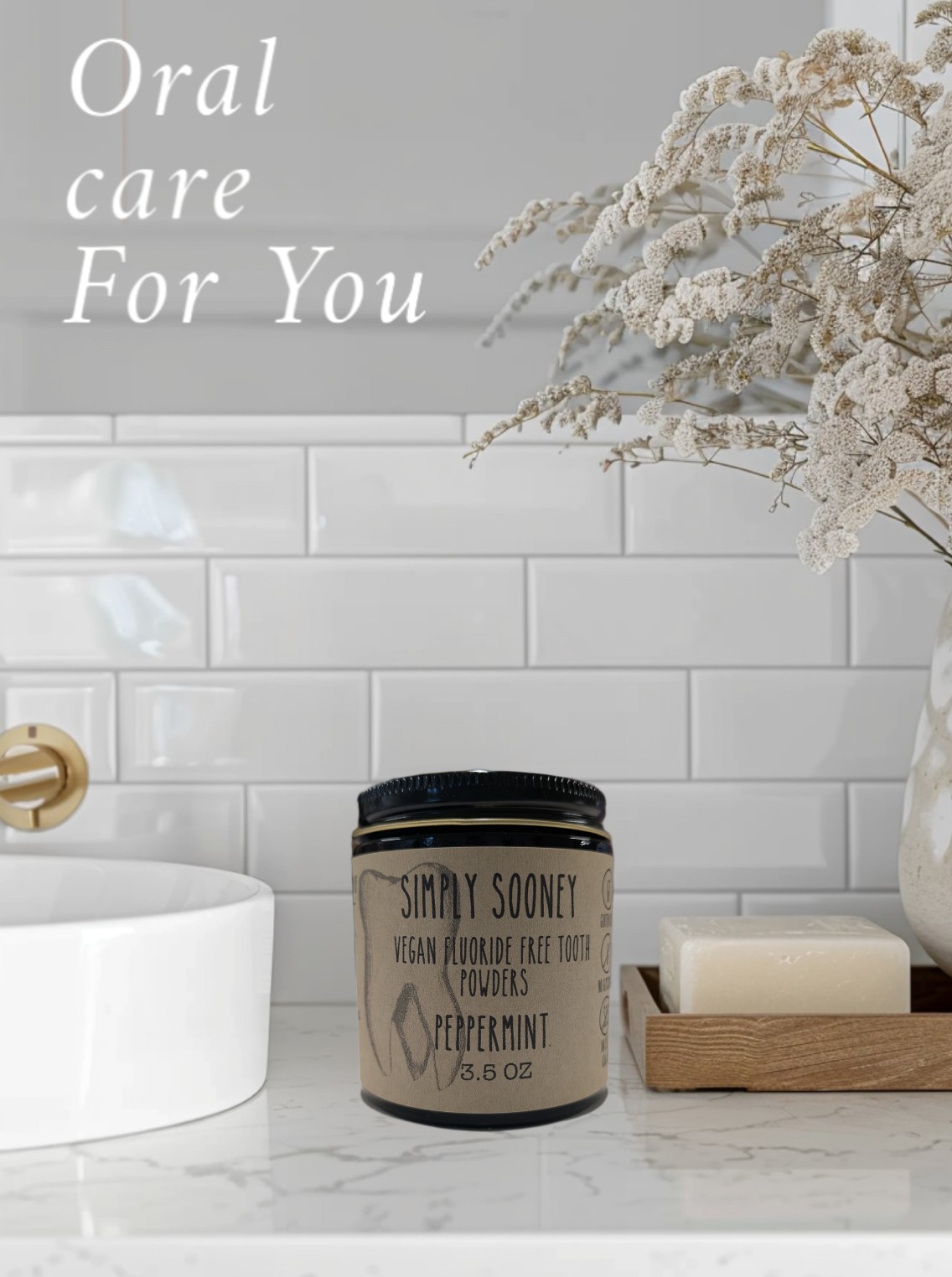
**Fluoride vs. Non-Fluoride Toothpaste**
The debate over fluoride use in toothpaste primarily revolves around its benefits for dental health versus concerns about its potential risks. Here’s an examination of both sides:
Benefits of Fluoride Toothpaste:
1. **Cavity Prevention**: Fluoride is known for its ability to strengthen tooth enamel and make it more resistant to decay. Numerous studies have shown that regular use of fluoride toothpaste can significantly reduce the incidence of cavities, especially in children.
2. **Remineralization**: Fluoride helps in the remineralization process of early tooth decay, turning softened enamel back into a harder surface and potentially reversing cavities in their early stages.
3. **Antimicrobial Properties**: Fluoride can inhibit the growth of bacteria that cause cavities and gum disease, contributing to overall oral health.
Concerns About Fluoride Toothpaste:
1. **Fluorosis**: Excessive fluoride exposure during childhood, while teeth are still developing, can lead to fluorosis, which manifests as discoloration or mottling of the teeth.
2. **Toxicity Issues**: While fluoride is safe in recommended amounts, there are concerns regarding long-term exposure and potential toxicity at high levels, particularly in areas with fluoridated water.
3. **Preference for Natural Products**: Some individuals prefer natural or organic products, citing concerns about synthetic chemicals. This has led to a growing market for fluoride-free toothpaste.
Alternatives to Fluoride Toothpaste:
1. **Natural Fluoride-Free Toothpaste**: Many brands now offer toothpaste that does not contain fluoride but still claims to help with dental health using alternative ingredients like baking soda, xylitol, or essential oils.
2. **Xylitol**: This natural sugar alcohol can help inhibit the growth of cavity-causing bacteria and is often used in fluoride-free products.
3. **Herbal Toothpaste**: Some people opt for herbal formulas that use plant extracts for their antibacterial properties and flavoring, avoiding all synthetic ingredients, including fluoride.
4. **Calcium and Phosphate Ingredients**: Certain fluoride-free brands utilize ingredients like calcium phosphate to aid in remineralizing teeth.
ConclusionThe choice between fluoride and non-fluoride toothpaste often comes down to personal preference, dental health needs, and opinions on ingredients. For individuals with a higher risk of cavities, fluoride toothpaste is generally recommended. Those interested in going fluoride-free should consult with a dental professional about the best options tailored to their dental health. Always consider conducting thorough research and seeking professional advice when determining what’s best for your oral hygiene routine.
 Simply Sooney